


































Since September 2022, Ethereum has fully transitioned to proof-of-stake, making ETH staking a core part of how the network operates. By staking ETH, participants help secure the network, validate transactions, and earn protocol level rewards in return.
This guide explains what ETH staking is, how it works, and what to consider before choosing an approach.
What is Ethereum Staking?
In a nutshell, Ethereum staking is the process of locking ETH into the network to help secure and operate the blockchain. Instead of miners competing with computing power, Ethereum relies on validators who commit ETH as economic security.
Validators are responsible for:
- Proposing new blocks
- Attesting to the validity of blocks proposed by others
- Maintaining consensus across the network
In return, validators earn rewards for their contribution paid in ETH. These rewards come from protocol issuance and transaction related fees.
Staking ETH is not just a way to earn yield. It is how Ethereum maintains security, finality, and decentralisation.
How Ethereum Staking Works
To participate in staking, ETH is committed to the Ethereum consensus layer. Validators must remain online and follow protocol rules.
When validators perform their duties correctly, they earn rewards. When they fail to do so, they may lose a portion of their staked ETH through penalties.
There are two main types of penalties:
- Minor penalties for downtime or missed duties
- Slashing penalties for serious misbehaviour such as signing conflicting messages
This system ensures that validators are economically motivated to act in the best interest of the network.
Staking ETH with Simply Staking
Staking with Simply Staking is designed for ETH holders who want to stake confidently without running validators themselves. The process is designed to be clear and straightforward. You stake ETH, Simply Staking manages validator operations, and rewards accrue based on network conditions and validator performance.
This approach suits ETH holders who want long-term participation in Ethereum staking without unnecessary operational overhead. Through our ETH staking dashboard, users can:
- Stake ETH through professionally operated validator infrastructure
- Earn protocol native staking rewards
- Avoid the complexity of running and monitoring validator hardware
- Rely on secure, high-availability operations
Let’s go through the staking process step by step.
Step 1: Head to Simply Staking’s ETH Staking dashboard

Step 2: Connect your wallet by clicking the “Connect Wallet” button.
For the sake of this guide, we are using MetaMask, but many other wallets may be used including popular ones like Ledger, Trezor, Coinbase Wallet and Trust Wallet.

Step 3: Fill in the amount of ETH you wish to stake, while always making sure that you leave some additional ETH in your wallet to pay for gas fees.
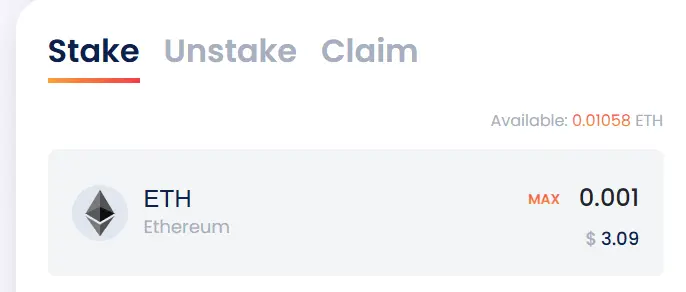
Step 4: Click the “Stake” button

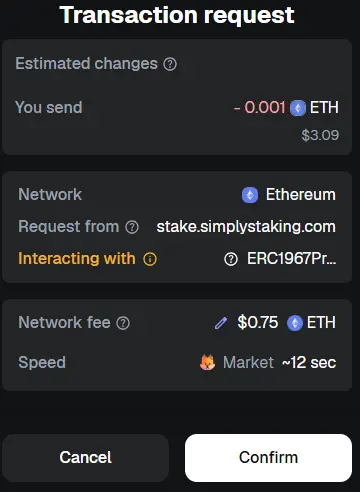
Step 5: Your wallet will display a transaction request. After double checking all the details and taking note of the gas fee, click “Confirm”.
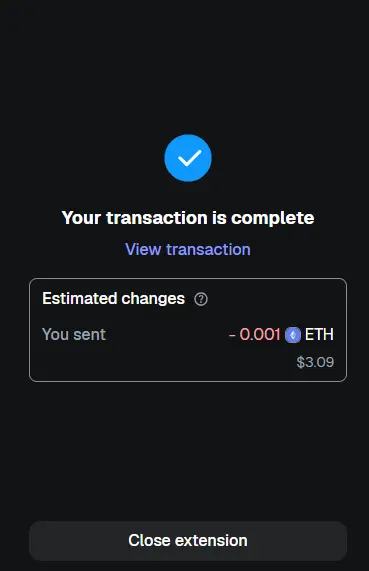
Wait for your wallet to display that the transaction was complete.
Final thoughts
Ethereum staking is not a short term yield strategy. It is a commitment to supporting the network while earning protocol native rewards.
The most important decision is not how much yield you earn, but which staking model aligns with your risk tolerance, technical comfort, and long term view on Ethereum.
For readers who want a deeper understanding of how Ethereum continues to evolve at the protocol level, including upcoming changes that may impact validators and stakers, we have also published a dedicated guide on Ethereum’s Pectra upgrade and what it means for the network.